January
Events
Cabalgata de Reyes Magos (Three Kings' Day)
A major festive parade where the Three Kings ride lavish floats through the city, culminating in them throwing thousands of kilos of candy and small gifts to excited crowds.
Spain
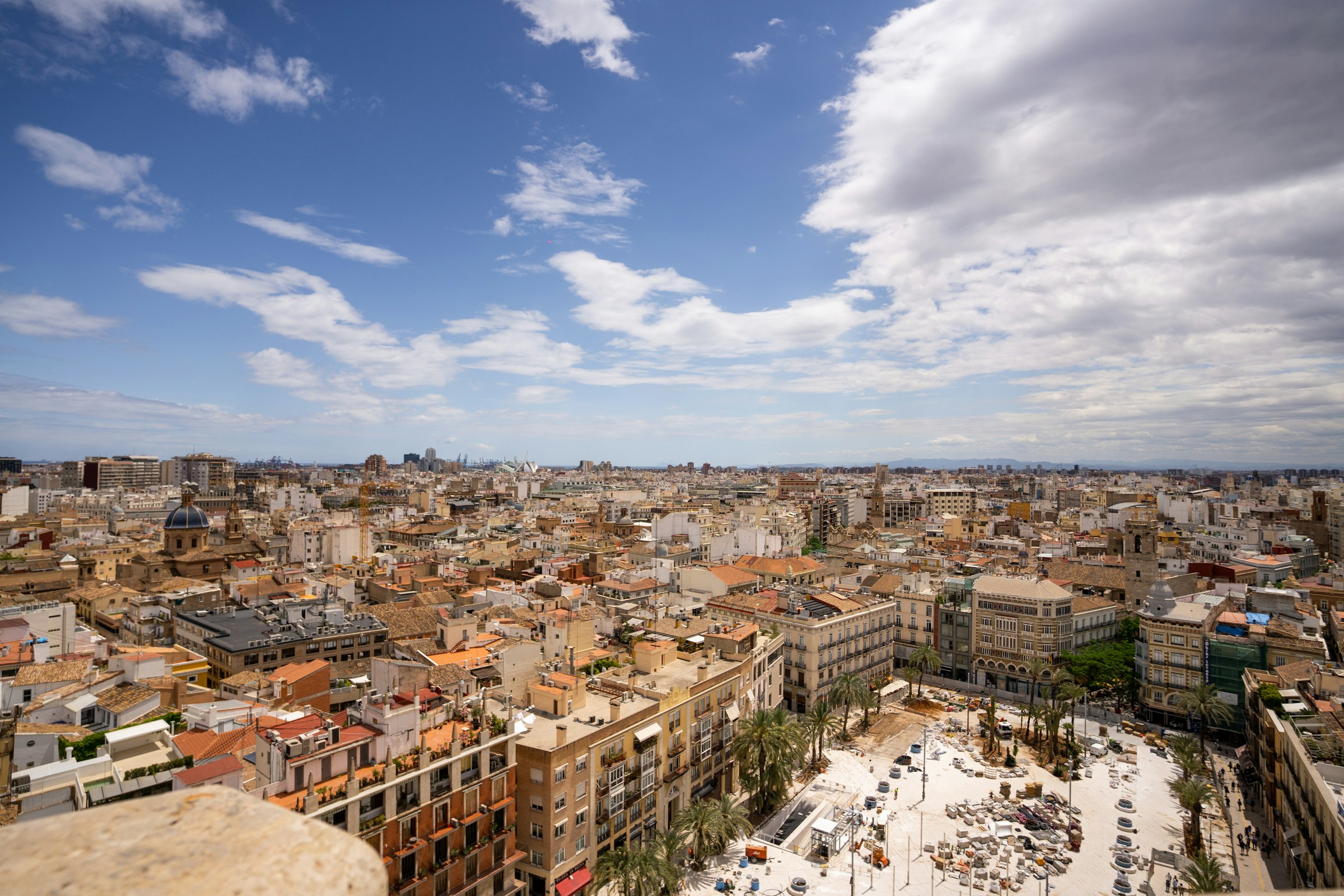
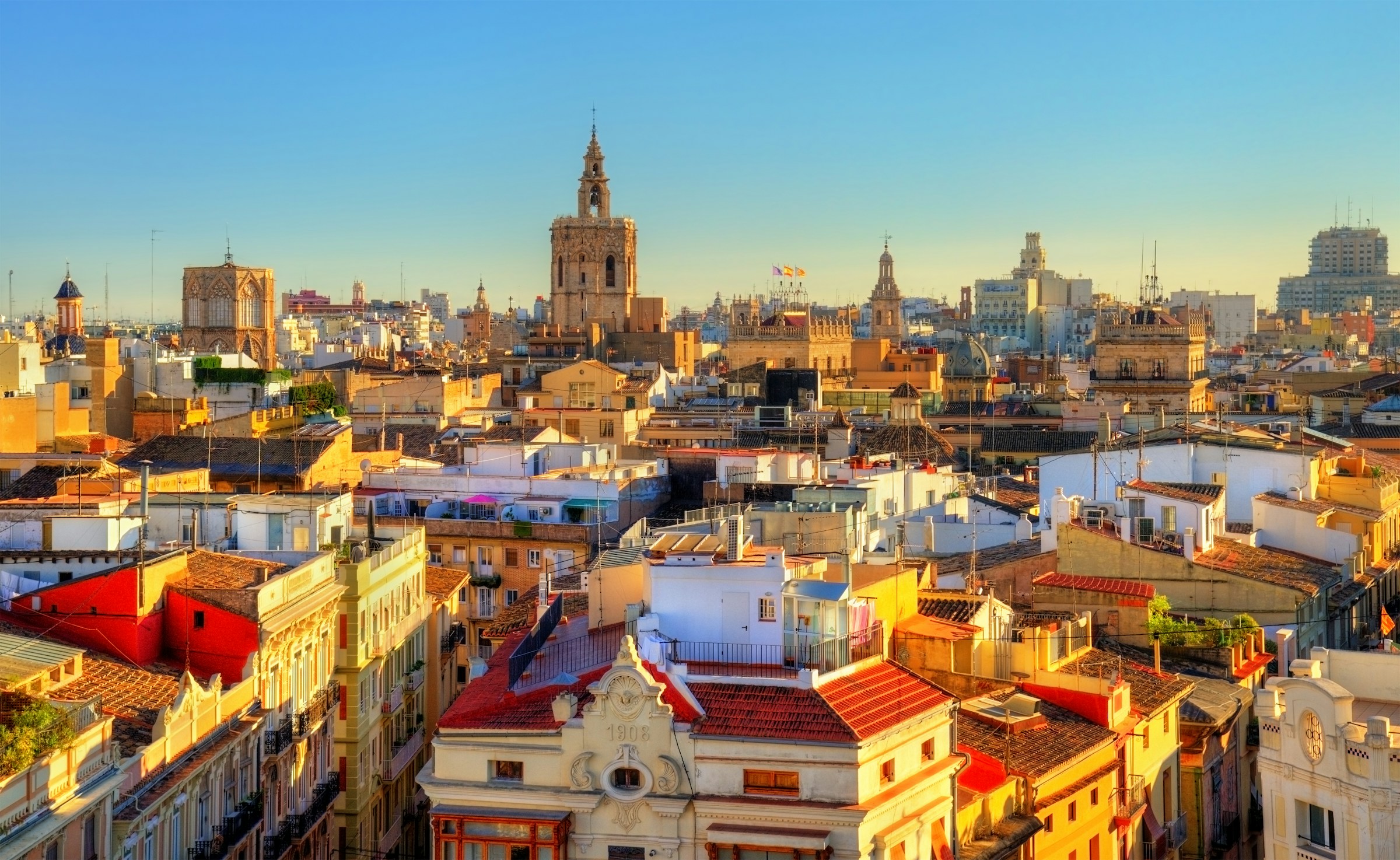
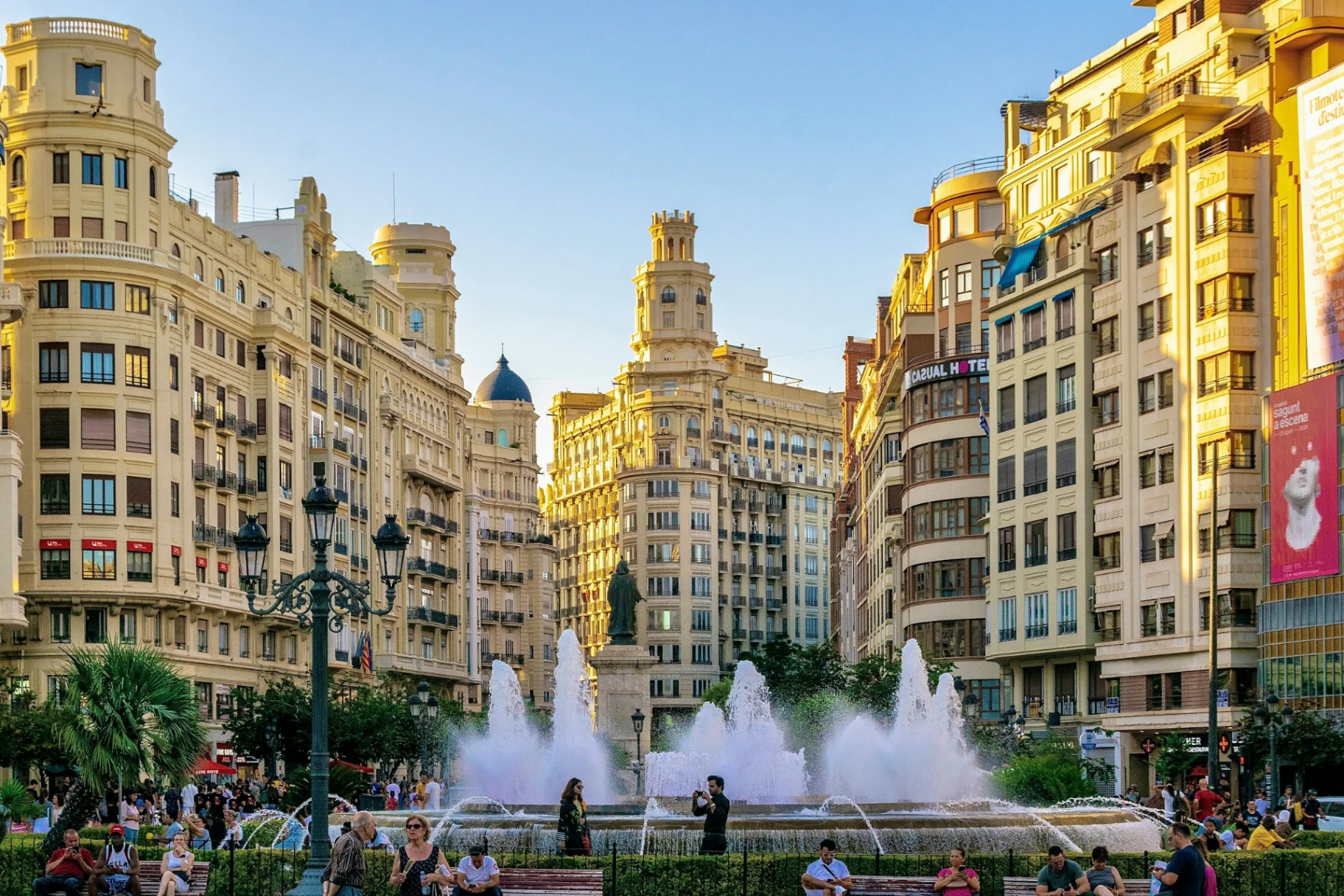
Valencia is Spain's third-largest city, offering a unique and compelling blend of historic charm and avant-garde futuristic design. Famous worldwide as the birthplace of paella, the city boasts a laid-back, sun-drenched Mediterranean vibe, largely centered around the massive, green Turia Gardens. Visitors can seamlessly transition from exploring the ancient Silk Exchange and Gothic Cathedral in the walkable Old Town to marveling at the modern marvel of the City of Arts and Sciences.
Optimal months for general travel based on weather, popularity, and local insights.
Explore popular activities, attractions, and places to visit in Valencia.
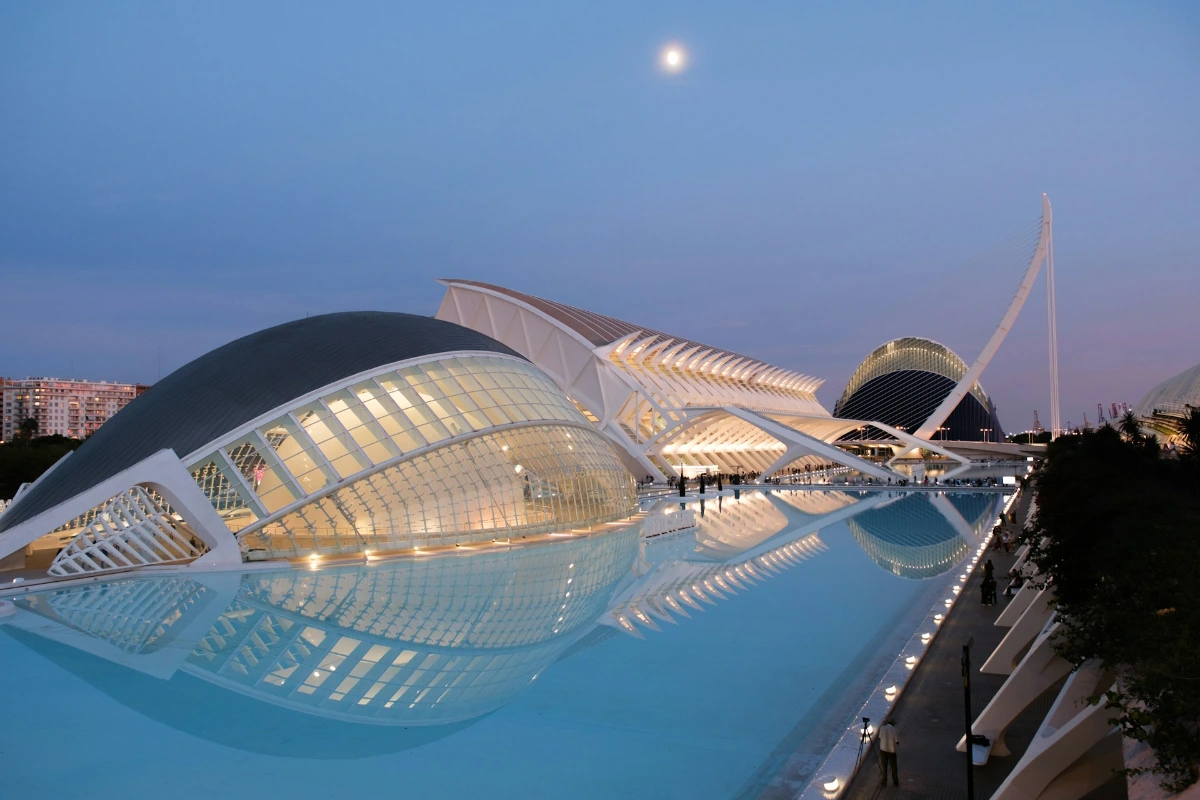
A striking collection of futuristic buildings designed by architect Santiago Calatrava, standing in stark contrast to the historic city center. The complex includes L'Oceanogràfic (Europe's largest aquarium), an interactive science museum, and the majestic opera house, Palau de les Arts. Even if you don't go inside, the architectural exteriors and surrounding turquoise pools are a stunning sight worth cycling or walking through.
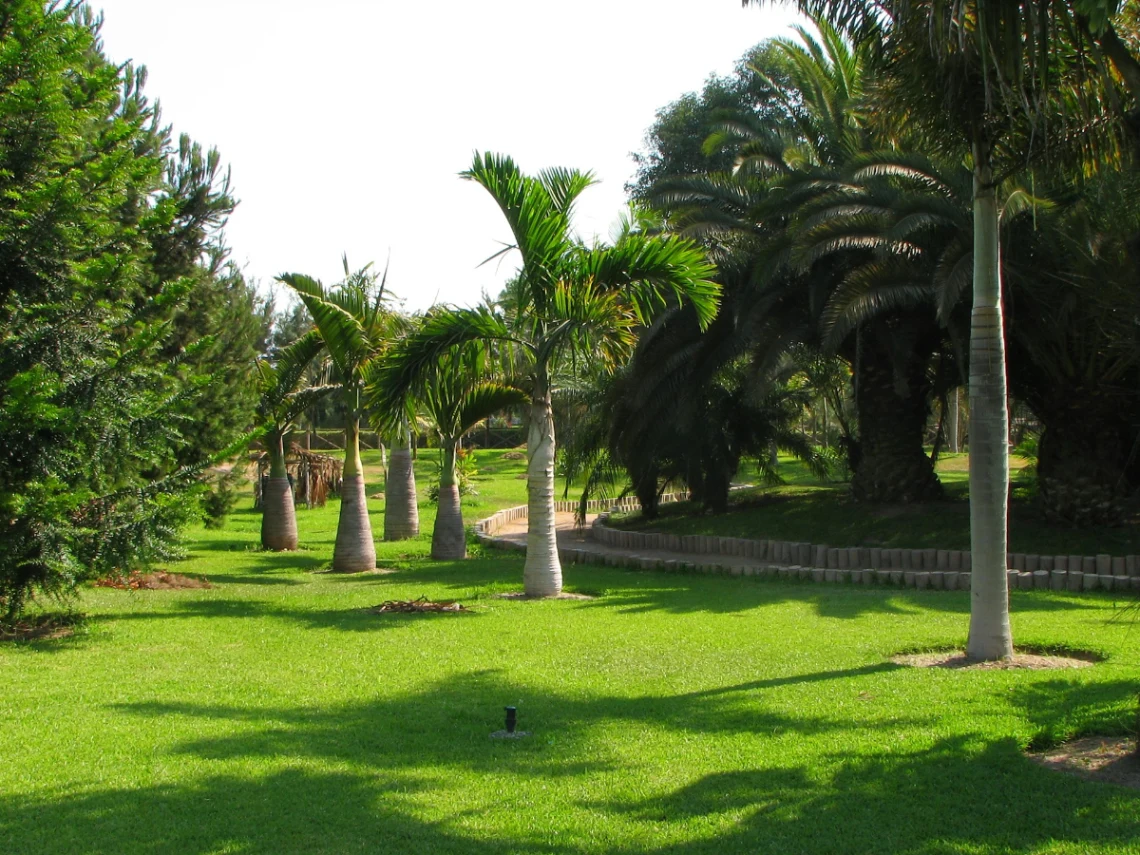
This massive, nine-kilometer-long urban park occupies the former bed of the Turia River, which was diverted after a flood in 1957. It runs through the entire city, offering a green corridor perfect for walking, jogging, and cycling away from traffic. Don't miss the Gulliver Park, a unique playground featuring a colossal sculpture of Gulliver tied down for children to climb, slide, and explore.
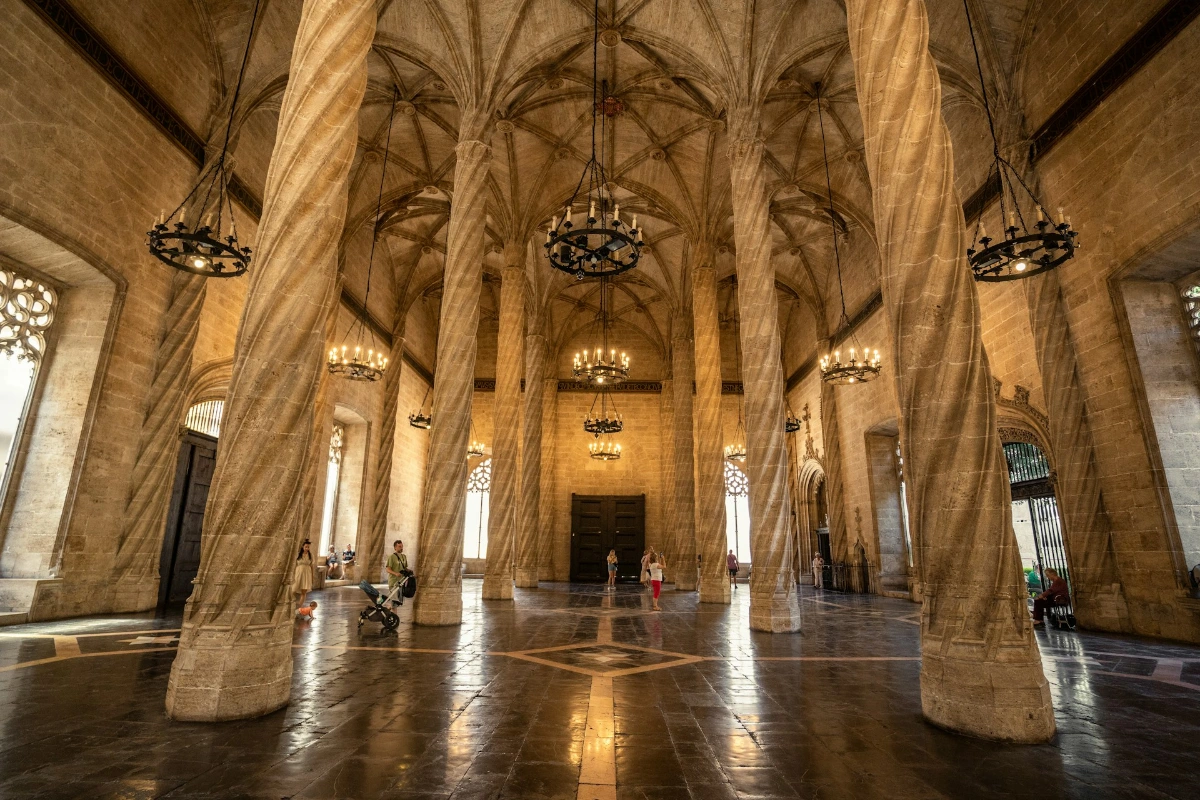
A UNESCO World Heritage Site, this magnificent Gothic-style building is a testament to Valencia's Golden Age in the 15th century, when it was a major Mediterranean silk trading hub. The main trading hall, the Contractation Room, features stunning soaring, spiral columns that resemble palm trees. It is widely considered one of the finest examples of civil Gothic architecture in Europe.
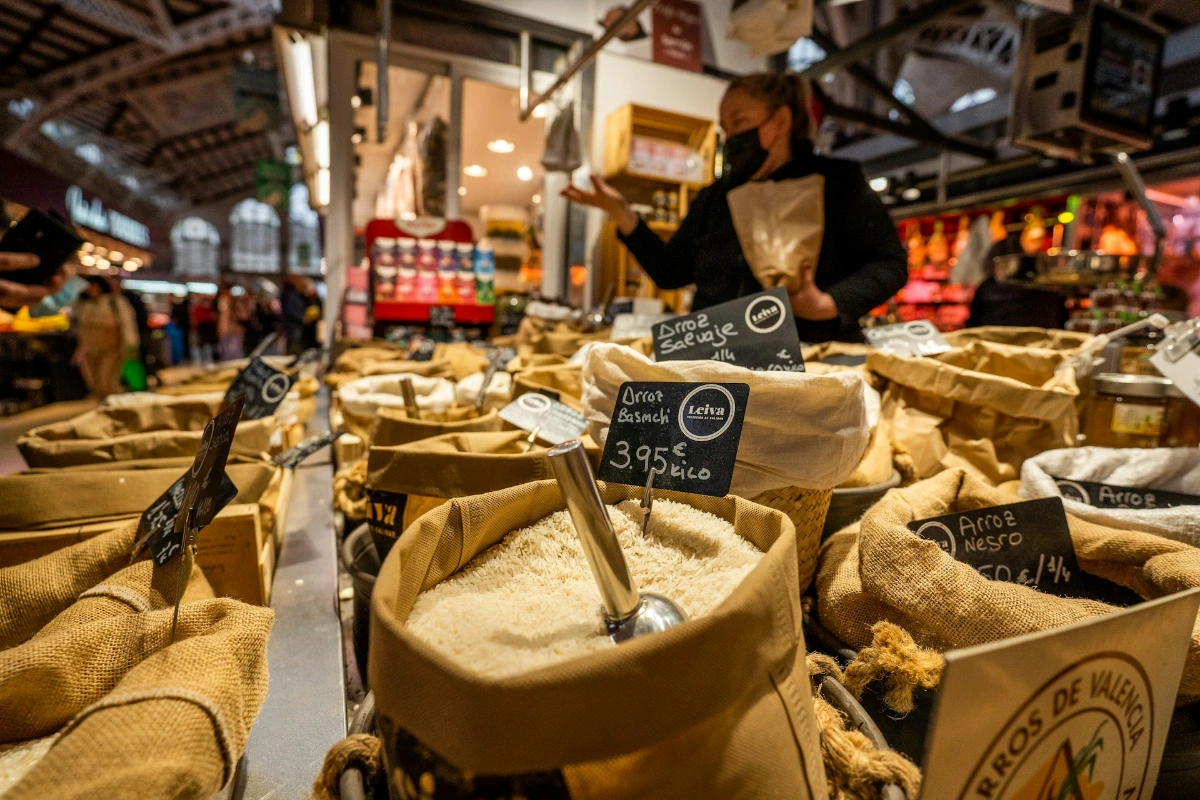
Housed in a beautiful Modernist building of iron and glass, this is one of Europe’s largest working fresh food markets. It's the beating heart of Valencia’s food culture, where you can find everything from local fish and Iberian ham to fresh fruit and vegetables sourced from the surrounding huerta. Insider Tip: Come early in the morning to see the market at its busiest and be sure to grab a freshly squeezed orange juice, as the region is famous for its citrus.
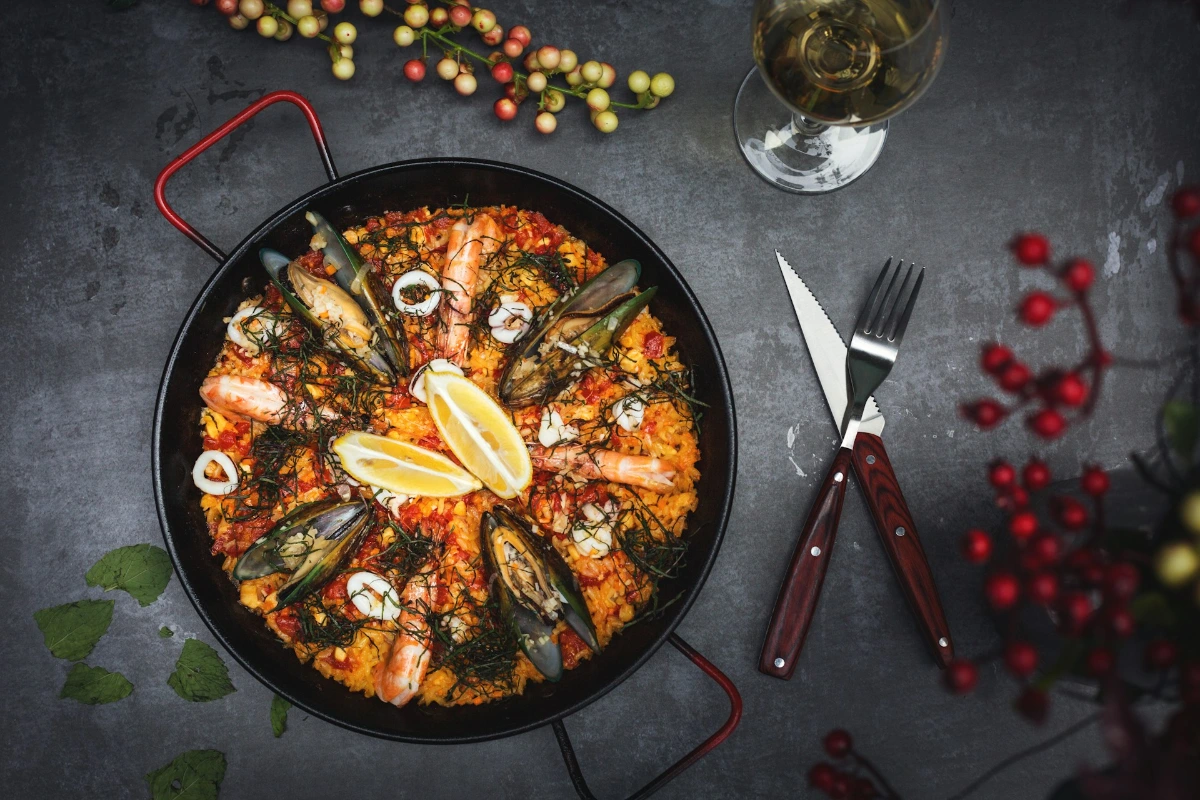
Paella originated right here in Valencia, making it the definitive place to try the authentic Valencian version (made with chicken, rabbit, and green beans). For the most traditional experience, travel to the nearby Albufera Natural Park, a freshwater lagoon surrounded by rice paddies where paella chefs are legendary. Insider Tip: Take a sunset boat ride on the lake after your paella lunch for a truly local experience.
This oldest section of the city, part of the Ciutat Vella, is a maze of narrow, medieval streets, medieval towers (Torres de Quart and Torres de Serranos), and charming squares. It is also the city's urban art hub, famous for its impressive and ever-changing collection of murals, graffiti, and street art that gives the ancient stone walls a modern, bohemian edge.
A major festive parade where the Three Kings ride lavish floats through the city, culminating in them throwing thousands of kilos of candy and small gifts to excited crowds.
No major events scheduled for February.
Valencia's most famous, noisy, and spectacular festival, featuring hundreds of massive cardboard and wood sculptures (fallas) that are paraded and ultimately burned in enormous bonfires (la Cremà) on the final night.
No major events scheduled for April.
No major events scheduled for May.
A traditional summer solstice celebration centered on the city beaches, where people gather for bonfires, music, picnics, and jumping over the waves at midnight for good luck.
A month-long summer festival with concerts, firework displays, and the famous Battle of the Flowers parade on the last Sunday, where participants throw over a million marigolds.
A massive, world-famous tomato-throwing festival held in the nearby town of Buñol, which is easily accessible from Valencia for a unique and chaotic day trip.
No major events scheduled for September.
A regional holiday celebrating the conquest of Valencia by King James I, featuring colorful parades, historical reenactments, and cultural events highlighting Valencian identity.
No major events scheduled for November.
No major events scheduled for December.
A major festive parade where the Three Kings ride lavish floats through the city, culminating in them throwing thousands of kilos of candy and small gifts to excited crowds.
No major events scheduled for February.
Valencia's most famous, noisy, and spectacular festival, featuring hundreds of massive cardboard and wood sculptures (fallas) that are paraded and ultimately burned in enormous bonfires (la Cremà) on the final night.
No major events scheduled for April.
No major events scheduled for May.
A traditional summer solstice celebration centered on the city beaches, where people gather for bonfires, music, picnics, and jumping over the waves at midnight for good luck.
A month-long summer festival with concerts, firework displays, and the famous Battle of the Flowers parade on the last Sunday, where participants throw over a million marigolds.
A massive, world-famous tomato-throwing festival held in the nearby town of Buñol, which is easily accessible from Valencia for a unique and chaotic day trip.
No major events scheduled for September.
A regional holiday celebrating the conquest of Valencia by King James I, featuring colorful parades, historical reenactments, and cultural events highlighting Valencian identity.
No major events scheduled for November.
No major events scheduled for December.
Average monthly weather patterns
Explore other popular destinations